Fotona Laser Treatments for Acne Scars: What to Expect
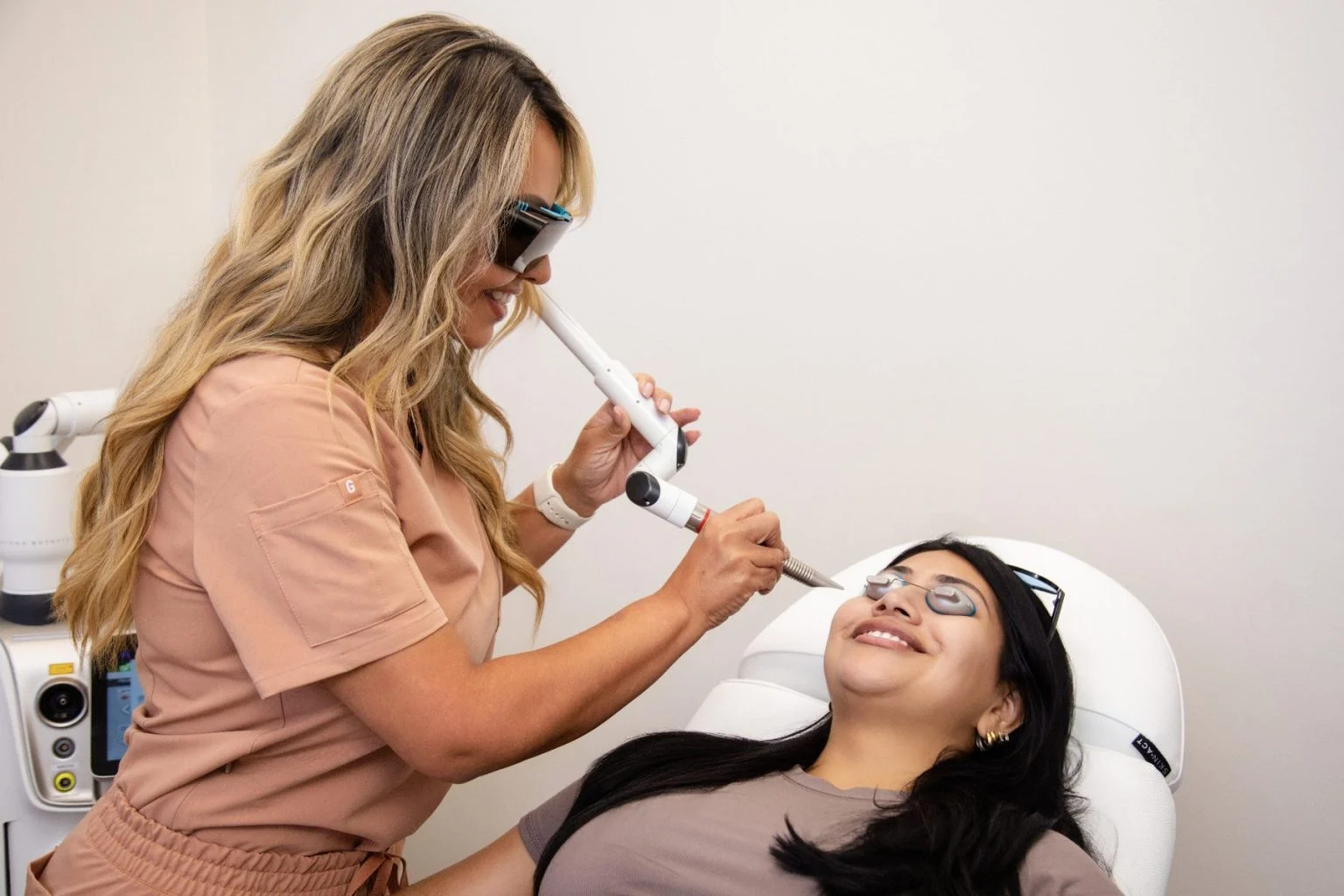
Acne scars can be stubborn in a way that catches people off guard. The active breakouts may have settled months or even years ago, yet the textural changes remain, visible in certain lighting, under makeup, or whenever skin is pulled tight. For many patients, that is the frustrating part. They are no longer dealing with inflamed acne, but they are still living with its aftereffects.
Fotona Laser Treatments are often part of that next step, the stage where the goal shifts from controlling acne to improving the quality and texture of skin. These treatments have built a solid reputation in clinics because they can be tailored to different scar patterns, skin sensitivities, and downtime preferences. They are not magic, and they are not interchangeable with every other laser option on the market. But in the right hands, for the right patient, they can make a meaningful difference.
If you are considering Fotona for acne scars, it helps to know what treatment actually feels like, how results unfold, who tends to benefit most, and where expectations should stay realistic.
Why acne scars respond differently than acne
The first thing worth understanding is that acne scarring is not one single condition. That matters because treatment planning depends heavily on what kind of scarring you have. A person with shallow rolling scars across the cheeks needs a different strategy than someone with narrow ice pick scars or sharply edged boxcar scars. Some patients also have redness or brown post-inflammatory marks left over from acne, which are often confused with scars even though they behave differently.
True acne scars are structural. The skin has changed at the level of collagen and tissue support. In atrophic scars, which are the depressed scars most people mean when they say “acne scars,” there has been a loss or disruption of collagen. A laser cannot simply erase that in one sitting. What it can do is trigger controlled remodeling, prompting the skin to rebuild itself over time.
This is where Fotona stands out. Rather than relying on a one-size-fits-all approach, the platform allows clinicians to adjust energy delivery, pulse duration, and treatment depth. That flexibility is useful because scar treatment is rarely about just one pass with one setting. Good outcomes usually come from matching the technology to the skin in front of you, not forcing every face into the same protocol.
What Fotona actually is
Fotona is a laser platform, not a single treatment with one fixed method. In acne scar work, practitioners often use erbium:YAG and Nd:YAG wavelengths, either separately or in combination, depending on the scar profile and the overall condition of the skin.
The erbium wavelength is especially relevant for resurfacing. It can remove or heat precise layers of skin, creating a controlled injury that stimulates collagen renewal. Some clinicians use a more aggressive ablative approach for deeper textural change, while others choose a fractional or gentler mode to balance improvement with downtime.
The Nd:YAG side of the platform can be useful for deeper dermal heating and collagen stimulation without removing the skin surface in the same way. In some treatment plans, this combination is appealing because it addresses both surface irregularity and deeper remodeling. Patients sometimes hear terms like “fractional resurfacing,” “piano mode,” or “smooth mode,” depending on the protocol used by the clinic. The names vary, but the principle is similar: controlled heat, controlled injury, and gradual collagen rebuilding.
What matters more https://andresmeeg753.nexorafield.com/posts/fotona-laser-treatments-for-smoother-skin-with-minimal-downtime than the branding of a particular package is the clinician’s judgment. Acne scars are highly individual. A skilled operator may combine modes, stage treatment over multiple visits, or pair laser sessions with other methods such as subcision, microneedling, or targeted TCA for select scars. In practice, the best scar programs are often blended rather than rigid.
Which scars tend to improve the most
Not every acne scar responds equally well to laser treatment. This is one area where honest consultation matters.
Rolling scars, the broad depressions with soft edges, often respond reasonably well because collagen remodeling can help lift and smooth those contours. Shallow boxcar scars may also improve visibly, particularly when resurfacing is part of the plan. Fine textural roughness left behind after years of acne can soften quite nicely.
Ice pick scars are a different story. These are narrow, deep, sharply defined scars that extend into the dermis. Laser can help somewhat, but they often need additional methods for better results. If someone has a face dominated by ice pick scars and is promised near-total correction with laser alone, that is a red flag.
Tethered scars also deserve special mention. These are scars that seem pulled downward because fibrous bands beneath the skin are anchoring them. In those cases, a patient may need subcision before or alongside laser treatment. Without releasing the tethering, resurfacing alone may not achieve much.
A practical way to think about it is that Fotona Laser Treatments are often best at improving texture, softening scar edges, and stimulating collagen. They can make scars less visible and skin more even. They do not usually remove every scar or return skin to its pre-acne state.
What a consultation should cover
A good consultation is more than a quick look under bright lights. The practitioner should examine scar type, skin tone, acne history, previous treatments, tendency toward pigmentation, any history of cold sores, and whether acne is fully controlled. Active breakouts are not always an absolute reason to delay treatment, but ongoing inflammatory acne can complicate scar work and affect healing.
This is also when medical history matters. Patients taking isotretinoin now or in the recent past may need more careful timing, depending on the clinic’s protocols and the aggressiveness of the laser plan. A history of keloids, delayed wound healing, melasma, or post-inflammatory hyperpigmentation should be discussed openly. These factors do not always rule out laser treatment, but they do change how cautiously it should be approached.
The consultation should also include photographs. This is not just for marketing. Standardized photos are one of the most useful tools for tracking results because scar improvement is gradual and easy to underestimate when you see your own face every day.
What treatment day usually feels like
Most acne scar patients are understandably worried about pain. The answer depends on how aggressive the treatment is. A light, non-ablative collagen-stimulating session may feel warm and prickly, tolerable for many with topical numbing. A more intensive resurfacing treatment with erbium can be significantly more uncomfortable and typically calls for stronger numbing measures, careful cooling, and detailed aftercare instructions.
The skin is usually cleansed thoroughly first. Numbing cream may sit for 30 to 60 minutes. During treatment, patients often describe a snapping or hot stinging sensation. Around the cheeks, temples, and upper lip, the feeling can be sharper. The smell of heated skin is not unusual during ablative work, which surprises some people the first time.
Session length varies. Smaller targeted treatments may take under half an hour once numbing is complete. Full-face scar work can take longer, especially if multiple passes or combined modes are used.
Immediately afterward, the skin may look red, swollen, and feel hot, very much like a strong sunburn. More aggressive resurfacing can also produce pinpoint bleeding, bronzing, or a fine grid-like texture for several days, depending on the settings used.
The first week after treatment
This is often the stage patients obsess over because it is the most visible part of the process. The exact recovery depends on treatment intensity, but there are patterns that show up often enough to be useful.
For milder sessions, redness and swelling may settle within a few days. Makeup might be possible after a short interval if the skin surface is intact. For stronger resurfacing, the downtime is more obvious. Skin can swell most in the first 24 to 72 hours, especially around the eyes. Then comes roughness, dryness, and peeling as the treated skin sheds.
The biggest mistake patients make at this stage is overcomplicating skincare. After laser, skin wants calm. A gentle cleanser, a bland moisturizer, and strict sun protection are usually the core of the plan. Harsh acids, retinoids, exfoliating pads, scrubs, and fragranced actives have no business on freshly treated skin.
A short recovery checklist helps keep people from sabotaging their results:
- Follow the clinic’s cleansing and moisturizing instructions exactly.
- Avoid direct sun exposure and use broad-spectrum sunscreen once allowed.
- Do not pick peeling skin or rub off rough patches.
- Pause strong active skincare until your clinician says the barrier has recovered.
- Contact the clinic promptly if you see spreading redness, pus, or unusual pain.
That last point matters. Some redness and heat are expected. Worsening tenderness, crusting that looks infected, or asymmetrical swelling deserves attention.
When results start to show
One reason laser scar treatment can feel emotionally tricky is that the timeline is not linear. In the first week or two, skin may simply look pinker, tighter, and slightly swollen. That temporary swelling can make scars appear better before the true result has developed. Then, as swelling fades, the skin may seem to lose some of that early smoothness. This does not mean treatment failed. It usually means the collagen phase is still ahead.
Real improvement tends to emerge over several weeks to months. For many patients, the skin starts looking more even around the six to twelve week mark after a session, with continued remodeling after that. The deeper the treatment and the healthier the wound-healing response, the more gradual and meaningful the changes can be.
This is why clinics often space sessions several weeks apart. Collagen remodeling takes time. Stacking aggressive treatments too close together is rarely wise.
How many sessions people usually need
This is the question nearly everyone asks first, and the only honest answer is that it depends on scar severity, scar type, treatment intensity, and how much improvement the patient is hoping to see.
Someone with mild textural irregularity and shallow rolling scars may be pleased after two or three sessions. A patient with moderate to severe mixed scarring often needs a longer plan, commonly three to five treatments or sometimes more, particularly if treatments are conservative to minimize downtime or reduce pigment risk. Many clinics present scar treatment as a series rather than a one-off visit for exactly this reason.
Another variable is whether laser is being used alone. In real practice, combination treatment often works better. If a person has tethered scars released by subcision and then follows with Fotona resurfacing, the overall result may be better than either treatment alone. The session count on paper does not always tell the full story.
What improvement usually looks like in real life
Patients often come to consultations wanting percentages. That instinct makes sense, but skin is hard to quantify cleanly. If pressed, many clinicians will speak in ranges, not guarantees. Mild scarring can sometimes improve dramatically in appearance. Moderate textural acne scarring may improve enough that makeup sits better, harsh lighting becomes less punishing, and the skin no longer draws the eye first. Severe deep scarring may still be visible after treatment, just softened.
A common and worthwhile goal is not perfection but reduction in contrast. When the edges of scars are less sharp, the depressions are less deep, and the surrounding texture is smoother, the face often looks more rested and uniform even though scars have not vanished.
I have seen patients feel disappointed at day ten and genuinely happy at month three. I have also seen patients with very deep scars overestimate what any resurfacing device can do. The best outcomes usually happen when the plan is ambitious but grounded.
Risks, side effects, and who needs extra caution
Laser treatment for acne scars is generally safe when done appropriately, but it is still a procedure with real risks. Redness, swelling, peeling, and temporary sensitivity are expected. More significant issues, while less common, include prolonged redness, acne flares, infection, milia, delayed healing, and changes in pigmentation.
Patients with deeper skin tones often ask the most important question: is it safe for me? The answer is often yes, but with caveats. Darker skin has a higher risk of post-inflammatory hyperpigmentation after aggressive resurfacing. That does not mean treatment should be avoided automatically. It means settings, pretreatment preparation, aftercare, and practitioner experience matter even more. Some clinics may choose more conservative parameters or a staged approach. Others may pretreat with pigment-calming topicals when appropriate.
The main risk factors that deserve careful discussion include:
- A history of hyperpigmentation or melasma.
- Active acne cysts or skin infection at the treatment site.
- Tendency toward keloid or hypertrophic scarring.
- Recent tanning or heavy sun exposure.
- Unrealistic expectations about full scar removal.
Cold sore history is another practical issue. If treatment involves areas around the mouth and the patient has had herpes simplex outbreaks before, preventive antiviral medication may be considered. This is easy to overlook and worth mentioning early.
Fotona compared with other acne scar treatments
Patients often ask whether Fotona is “better” than CO2, microneedling RF, chemical peels, or microneedling. The comparison is not simple because these tools do different things well.
CO2 laser is often viewed as more aggressive and, in some cases, more powerful for significant resurfacing, but it can also come with more downtime and pigment risk. Erbium-based Fotona protocols can offer a more controlled resurfacing option with a potentially different recovery profile, depending on settings. Microneedling and radiofrequency microneedling can be appealing for patients wanting less visible downtime or a different risk balance. Chemical peels may help with pigment and superficial texture but usually will not do enough for established deeper scars.
The best clinics do not treat devices like religions. They choose tools according to the scar pattern, skin type, season, budget, and the patient’s tolerance for downtime. Sometimes Fotona is the clear favorite. Sometimes it is one part of a layered plan.
Cost and value
Pricing varies widely based on geography, provider experience, session intensity, and whether treatment is full-face or more targeted. In many markets, Fotona Laser Treatments for acne scars are priced as premium procedures, especially when performed by experienced dermatologists or laser-focused aesthetic physicians.
Patients understandably compare price tags, but the more useful question is what the fee includes. Does it cover consultation, numbing, aftercare products, follow-up visits, and standardized photography? Is the session truly customized, or is it a quick generic pass? A cheaper treatment done poorly is not a bargain if it yields weak results or creates pigmentation issues that take months to settle.
There is also value in sequencing. Sometimes a patient is better served spending part of the budget on subcision first, then using laser afterward, rather than pouring the entire amount into repeated resurfacing sessions that cannot address tethering.
How to prepare if you decide to go ahead
Preparation can influence both safety and outcome. The skin should be in a stable place before laser. If acne is still active, that may need attention first. If you are using retinoids, exfoliating acids, benzoyl peroxide, or other potentially irritating products, your clinic may tell you when to stop them. Recent tanning is usually a bad setup for laser treatment, even when the patient insists the color is “just a little.”
This is also the moment to think practically. Schedule treatment when you can accommodate visible recovery. People often book too close to weddings, work presentations, holidays, or photo-heavy events. Even milder sessions can leave lingering redness longer than expected.
One overlooked tip is to prepare your environment, not just your skin. Have a gentle cleanser, plain moisturizer, sunscreen, clean pillowcases, and any prescribed medication ready before the appointment. Patients recover better when they do not have to improvise while their face is hot and swollen.
Signs you are in good hands
A competent provider will not promise perfection, will explain why your specific scars may or may not respond well, and will talk just as clearly about downtime and risks as they do about benefits. They should be able to show before-and-after examples that resemble your type of scarring, not just the most dramatic wins from ideal candidates.
They should also ask questions. Good laser care is not a monologue. It is a conversation about your skin history, medications, work schedule, goals, and threshold for downtime. If the entire interaction feels rushed or sales driven, keep looking.
Setting the right expectation
The most satisfied patients are usually not the ones chasing flawless skin. They are the ones who understand what improvement actually looks like in everyday life. Better texture. Softer scar shadows. Smoother makeup application. Less self-consciousness in side lighting. Those are meaningful outcomes.
Fotona Laser Treatments can be a strong option for acne scars because they offer versatility, precision, and a credible path to collagen remodeling. But the real result depends on scar type, treatment planning, operator skill, healing behavior, and patience. If your consultation is thoughtful and your expectations are realistic, there is every reason to be optimistic, not about a miracle, but about visible progress that feels worth it when you catch your reflection a few months later and your skin no longer tells the same old story first.
OMNIA Wellness Center
Address: 16430 Ventura Blvd Ste 207, Encino, CA 91436
Phone number: +18183868511
FAQ About Fotona Laser Treatments
What is a Fotona laser good for?
A Fotona Laser system is a versatile, dual-wavelength medical laser used primarily for non-surgical skin tightening, anti-aging rejuvenation, and dermatological treatments.
How much does the Fotona laser cost?
The cost of a Fotona laser depends heavily on whether you are looking to purchase a laser machine for a medical practice or are a patient seeking a laser treatment at a medspa.
Is a Fotona laser worth it?
A Fotona laser treatment is generally worth it if you want non-surgical skin tightening, improved texture, and collagen stimulation with very little downtime.